
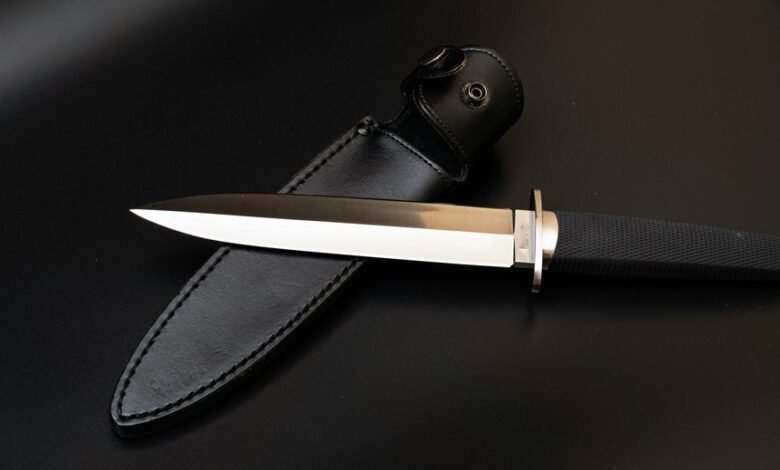
The discussion centers on metal alloy activity notes for 8cr13mov and the alerts framework. It outlines how composition and heat treatment govern wear and corrosion responses, and how timestamped entries support trend analysis. The notes aim for objective criteria that distinguish routine variation from meaningful shifts. This disciplined approach informs maintenance, safety, and design decisions, inviting scrutiny of how alerts drive timely interventions and consistent batch performance. The implications for future workflows remain tethered to observable trends and decision gates.
What 8cr13mov Is and Why It Matters in Blades
8cr13mov is a high-carbon stainless steel alloy commonly used in budget-to-mid-range knives. The material presents predictable properties suitable for mass-market production, enabling consistent performance across batches. 8cr13mov composition informs hardness and corrosion resistance, while heat treatment semantics describe tempering schedules and quench methods that shape edge stability. This clarity supports informed selection and disciplined manufacturing practice for freedom-minded users.
How Composition and Heat Treatment Shape Wear and Corrosion
Composition and heat treatment jointly govern wear resistance and corrosion behavior in 8cr13mov. The analysis compares iron alloys and their phase responses under controlled heat treatment, detailing carbides, austenite stability, and diffusion effects. Variations in alloying elements and tempering temperatures influence hardness, friction, and passive film integrity, guiding performance predictions for wear and corrosion while maintaining clear, objective criteria for safety and compliance.
Interpreting Metal Alloy Activity Notes and the Alerts System
Interpreting Metal Alloy Activity Notes and the Alerts System requires a structured approach to extract actionable information from ongoing observations. The methodology emphasizes consistent data logging, timestamped entries, and objective criteria for alerts. Readers assess patterns, validate anomalies, and distinguish routine fluctuations from significant shifts. 2 word discussion ideas: Alerts interpretation, Alloy activity. This detached, precise framework supports informed decisions while preserving analytical freedom.
Practical Maintenance, Safety, and Design Considerations From the Notes
Practical maintenance, safety, and design considerations derived from the notes provide a structured framework for ensuring consistent performance and risk mitigation in 8cr13mov-related applications.
The text cites maintenance safety as a core discipline, emphasizing disciplined inspection, lubrication, and corrosion prevention.
Design considerations address tolerances, heat treatment alignment, and fail-safe features while interpretation of alerts guides timely interventions and objective risk assessment.
Conclusion
In summary, the notes deliver a precise, methodical account of 8cr13mov behavior under varied heat treatments, linking composition to wear and corrosion trends observed in batches. Temporal data and objective alerts distinguish meaningful deviations from routine fluctuations, enabling proactive maintenance and design adjustments. Practitioners should treat trends as actionable inputs for risk assessment and process control. As the adage goes, “measure twice, cut once,” ensuring decisions arise from reliable, timestamped data rather than noise.